Decorative Paper Backgrounds Textures
In a digital landscape saturated with flat, vector-based designs and sterile gradients, the strategic application of Decorative Paper Backgrounds Textures offers a distinct competitive advantage. These are not merely aesthetic fillers; they are tactile visual cues that signal quality, authenticity, and human craftsmanship. For entrepreneurs, marketers, and creators aiming to differentiate their brand or capture audience attention, integrating high-resolution paper textures into your workflow is a calculated decision that elevates perceived value.
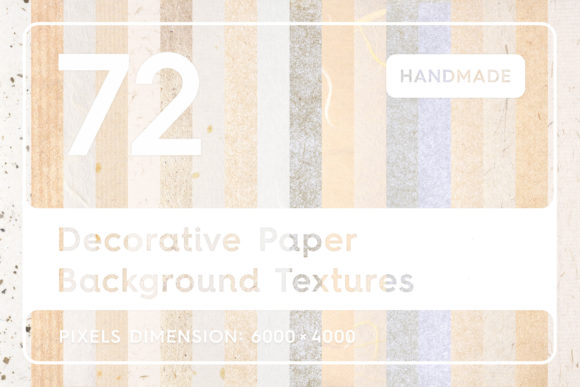
The collection described here represents a sophisticated toolkit for professionals who understand that design is a communication tool. By utilizing materials like palm fibers, plant chips, flower petals, gold spots, rice hairs, onions, and regular kraft paper made from vegetable parchment, designers can evoke specific emotional responses. The inclusion of rare types such as Thin Silk Purple Net, Yunlong, and Antique Fragrance allows for nuanced storytelling that standard stock images cannot replicate.
Strategic Value in Visual Communication
The primary function of Decorative Paper Textures is to bridge the gap between digital presentation and physical reality. When a potential client views a postcard, a business card, or a website background, the subconscious mind looks for signs of effort and care. A high-quality texture set, featuring 72 unique pieces ranging from Cream and Leaf to Green Silk and Yellow Flower, provides the depth necessary to make a design feel "tangible."
This tangibility is crucial for branding. In a market where consumers are bombarded with information, a design that mimics the organic irregularity of handmade paper stands out against the uniformity of mass-produced digital assets. Using a texture pack that includes Rice Fragrance or Palm Fibre elements suggests a commitment to natural materials and artisanal processes. This aligns perfectly with brands positioning themselves around sustainability, luxury, or heritage.
Furthermore, the resolution of these assets matters immensely. With dimensions reaching 6000 x 4000 pixels (83 x 55 inches) at 72 DPI, these files ensure that your creative work remains crisp regardless of the output medium. Whether you are printing large-format posters or designing a mobile application interface, the clarity of the Vegetable Parchment or Cotton Palm textures ensures that the detail is preserved, maintaining professional integrity across all touchpoints.
Selecting the Right Texture for Your Goals
Not every texture serves the same strategic purpose. Thoughtful selection requires an understanding of your project's objectives and the psychological impact of the material being simulated.
- For Luxury and Exclusivity: Utilize textures like Thin Silk Purple Net, Green Silk, or those adorned with Gold Spots. These elements convey opulence and rarity. They are ideal for high-end invitations, premium product packaging, or exclusive event flyers where the goal is to create a sense of anticipation and value.
- For Eco-Conscious Branding: The Kraft, Vegetable Parchment, and Palm Fibre options are essential for organizations highlighting sustainability. These textures communicate raw, unrefined beauty and a connection to nature, reinforcing a brand's ethical stance without needing explicit text.
- For Cultural and Artistic Projects: Items like Yunlong Kam White, Onion, and Antique Fragrance offer historical depth. These are perfect for educational materials, museum exhibitions, or cultural publications where respecting tradition and history is paramount.
- For General Professional Use: Cream, Tissue, and Leaf provide a subtle, clean backdrop that enhances readability while adding warmth. They are versatile choices for stationery, envelopes, and corporate reports where professionalism must be balanced with approachability.
Operational Efficiency and Creative Workflow
From an operational standpoint, integrating this package into your design tools streamlines the production process. The fact that the collection consists of 72 ready-to-use JPG files within a single Zip archive means less time searching for assets and more time executing the vision. For freelancers and small business owners managing tight deadlines, having a comprehensive library of high-resolution textures eliminates the need for costly photoshoots or complex scanning setups.
The versatility of these textures extends beyond print. In software and application development, using a Red Flower or Yellow Flower texture as a background element can soften the user interface, making technology feel more accessible and human-centric. Similarly, for bloggers and publishers, applying a Leaf or Rice Hair texture to article headers can significantly increase reader engagement by breaking the monotony of white space.
However, efficiency should not come at the cost of clarity. The decision to use these textures must be guided by the principle of enhancement, not obstruction. A texture should support the content, acting as a stage upon which your message performs, rather than a distraction that competes for attention. The high resolution of the 6000 x 4000 pixel files allows for careful layering and opacity adjustments, ensuring that the text remains legible even over complex patterns like Onion skins or dense Palm Fibre.
Risks of Unintentional Application
While the benefits are substantial, relying on Decorative Paper Backgrounds Textures without a clear strategy carries risks. Overuse can lead to visual clutter, making a design appear dated or messy. If the texture is too dominant, it can detract from the core message, causing the audience to focus on the background rather than the call to action.
Another risk involves technical compatibility. While the files are high resolution, importing them into certain web environments without optimization can slow down page load times. Designers must balance the desire for high-fidelity visuals with the practical needs of performance. Additionally, using a texture that clashes with the brand identity—for example, using a rugged Kraft texture for a sleek, modern tech startup—can create cognitive dissonance, confusing the audience about the brand's values.
To mitigate these risks, always test your designs in grayscale first. This helps determine if the texture provides sufficient contrast and structure without relying on color alone. Furthermore, consider the context of consumption. A texture that looks magnificent on a printed brochure may lose its subtlety when viewed on a small smartphone screen. Adjusting the scale and intensity of the Yunlong or Antique Fragrance elements based on the viewing device is a critical step in the planning phase.
Long-Term Impact on Brand Perception
The investment in a detailed, high-quality texture set pays dividends over time through consistent brand reinforcement. When a company consistently uses textures that reflect its core values—such as the organic feel of Vegetable Parchment for an eco-brand—it builds a cohesive visual language. This consistency fosters trust and recognition among the target audience.
Moreover, the uniqueness of this collection, with its rare combinations of flower petals and specific plant fibers, ensures that your materials do not look generic. In a world where templates are easily copied, a custom-feeling texture derived from a specialized pack signals to the client that you have invested in the quality of your deliverables. This perception of respect for the artwork and the audience often translates into higher conversion rates and stronger client relationships.
Ultimately, the decision to incorporate Decorative Paper Backgrounds Textures is a strategic move toward differentiation. It is about choosing to stand out in a crowded marketplace by leveraging the power of tactile illusion. Whether you are creating advertising campaigns, designing software interfaces, or producing physical stationery, the ability to select from 72 distinct, high-resolution options empowers you to craft experiences that resonate on a deeper level. By approaching these tools with intention, planning, and a clear understanding of your goals, you transform simple backgrounds into powerful instruments of communication.
As you begin to integrate these elements into your projects, remember that the best design is often invisible. The texture should be felt before it is seen, guiding the viewer's eye and emotion naturally toward your message. With features like 83 x 55 inch scalability and formats compatible with virtually any design software, this package offers the flexibility required for both immediate execution and long-term creative growth.