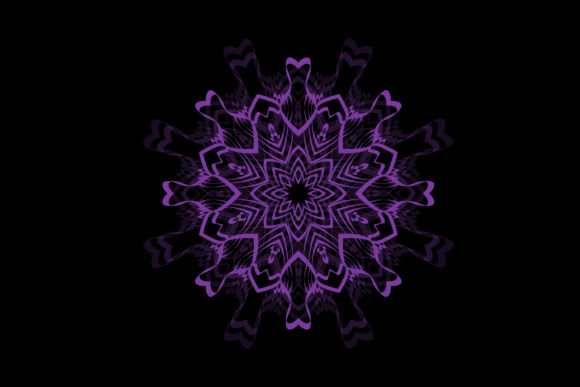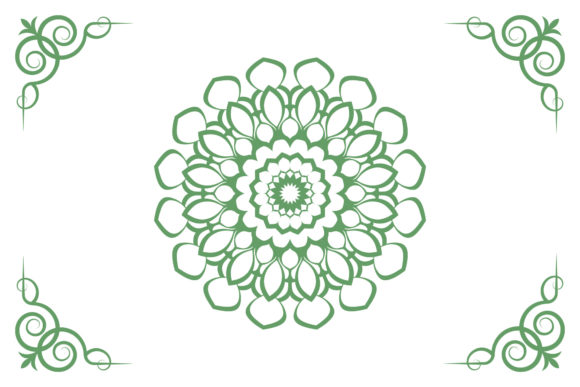
Understanding Mandala Decorative Flower Art for Modern Design Projects
Mandala decorative flower art represents a unique intersection of geometric precision and organic beauty. At its core, this style merges the spiritual and mathematical symmetry found in traditional mandalas with the fluid, natural forms of floral elements. Unlike standard botanical illustrations that may focus solely on realism or abstract patterns that lack structure, this specific design category offers a balanced aesthetic that appeals to a wide range of applications. For designers, crafters, and creative professionals aged 20 to 50, understanding the nuances of this art form is essential before selecting digital assets for a project.
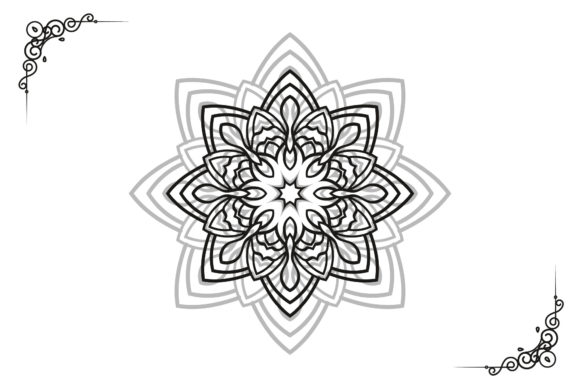
The distinctiveness of Mandala decorative flower art lies in its radial symmetry. While a typical flower illustration might be asymmetrical to mimic nature's randomness, these designs are constructed around a central point, radiating outward in repeating patterns. This creates a visual rhythm that is both calming and engaging. The integration of petals, leaves, and vines into this structured framework allows for complex textures without sacrificing clarity. Whether used for wall art, textile printing, or digital backgrounds, the inherent balance of the composition makes it versatile enough to fit into minimalist interiors as well as bohemian or eclectic spaces.
Evaluating File Formats and Technical Versatility
When researching digital art resources, one of the most critical factors is not just the visual appeal but the technical flexibility of the files provided. In the realm of vector-based and high-resolution raster graphics, the availability of multiple formats can significantly impact the workflow of a professional designer. A comprehensive collection typically includes a robust set of extensions designed to serve different purposes within the design pipeline.
Consider the utility of receiving a package that contains six distinct file types: AI, EPS, SVG, DXF, JPG, and PNG. Each format serves a specific function, and having access to all of them ensures that the Mandala decorative flower art can be adapted to various mediums without loss of quality.
- AI and EPS Files: These are industry-standard vector formats used primarily in Adobe Illustrator. They allow for infinite scaling without pixelation. If you intend to use the artwork for large-format printing, such as banners or murals, or if you need to edit individual elements like petal shapes or color gradients, these files are indispensable. They provide the highest level of control over the design's geometry.
- SVG Files: Scalable Vector Graphics are essential for web design and user interface development. Because they are code-based images, they load quickly and remain crisp on any screen resolution. This format is ideal if your project involves digital marketing materials, website backgrounds, or mobile app icons featuring floral mandalas.
- DXF Files: Designed specifically for Computer-Aided Design (CAD) and cutting machines, DXF files are crucial for physical fabrication. If you plan to use a Cricut, Silhouette, or laser cutter to create vinyl decals, wood signs, or fabric stencils, this format ensures precise path data for the machine to follow.
- JPG and PNG Files: These are raster formats where the image is made of pixels. With a canvas size of 1920px by 1280px, these files offer high resolution suitable for social media posts, email newsletters, and standard print documents. The PNG format is particularly valuable because it supports transparency, allowing the mandala design to be layered over other colors or images seamlessly.
Comparing this multi-format approach to single-file downloads reveals a significant advantage in terms of efficiency. Many free or low-cost resources offer only a JPEG or a basic PDF, forcing the user to rely on third-party conversion tools that often degrade quality or lose vector data. By securing a bundle that includes editable vectors alongside high-quality rasters, creators save time and reduce the risk of errors during the production phase.
Comparing Mandala Floral Styles to Other Design Categories
To make an informed decision, it is helpful to compare Mandala decorative flower art against similar styles, such as traditional line art, watercolor florals, or purely geometric patterns. Each category brings a different emotional weight and functional capability to a project.
Traditional line art focuses on simplicity and outline. While elegant, it often lacks the depth and texture that come from filled shapes and intricate detailing. Watercolor florals offer a soft, painterly look that is beautiful but difficult to reproduce consistently in manufacturing processes like screen printing or die-cutting due to the subtle gradations of color. Pure geometric patterns provide structure but can feel cold or sterile if they lack the organic touch of botanical elements.
In contrast, Mandala decorative flower art bridges these gaps. It retains the structural integrity of geometry while incorporating the warmth and familiarity of nature. This makes it a superior choice for projects requiring a balance between order and organic flow. For instance, in home decor, a solid geometric pattern might clash with rustic furniture, whereas a mandala floral piece could harmonize with both modern and vintage aesthetics.
Tradeoffs and Decision Factors
While the benefits of using Mandala decorative flower art are substantial, there are tradeoffs to consider depending on the specific needs of the project. The primary limitation of vector-based mandala designs is their complexity. Highly detailed mandalas with thousands of anchor points can sometimes slow down rendering times in older software versions or cause issues with lower-end cutting machines if the paths are too dense.
Furthermore, the symmetrical nature of the design imposes constraints. If a project requires an off-center composition or a highly irregular layout, a radial mandala may require significant manipulation or cropping to fit the space effectively. In such cases, a more organic, non-symmetrical floral illustration might be a better starting point. However, even in these scenarios, the ability to edit the vector layers in AI or EPS files allows for creative modifications that are impossible with static raster images.
Another factor to evaluate is the intended medium. For digital-only projects, the 1920px x 1280px resolution of the JPG and PNG files is generally sufficient. However, for large-scale commercial printing, relying solely on raster files is risky unless they are of extremely high DPI (dots per inch). This is why the inclusion of vector formats like AI and EPS is so vital. Without them, the user is limited by the fixed dimensions of the original download, which may result in blurry output when scaled up.
Best-Fit Situations for Mandala Floral Designs
Determining whether this art style is the right choice often comes down to the desired outcome. Mandala decorative flower art is particularly effective in the following scenarios:
- Wellness and Lifestyle Branding: The meditative quality of mandalas pairs naturally with brands focused on yoga, meditation, mental health, and holistic wellness. The floral elements add a touch of growth and renewal to the imagery.
- Textile and Fashion Design: The repetitive nature of the pattern makes it ideal for fabric prints, scarves, and wrapping paper. The symmetry ensures that the pattern repeats seamlessly, creating a continuous flow across the material.
- DIY Home Decor and Crafts: For hobbyists using cutting machines, the DXF and SVG files are perfect for creating custom wall art, window decals, and t-shirt designs. The clean lines of the vector data ensure sharp cuts on vinyl and cardstock.
- Digital Content Creation: Bloggers and social media influencers can utilize the high-resolution PNGs and scalable SVGs to create engaging thumbnails, headers, and story overlays that stand out visually without looking generic.
Conversely, if a project demands a strictly realistic depiction of a specific flower species for educational purposes, or if the design needs to be heavily distorted to fit a curved surface, a standard photographic image or a specialized 3D render might be more appropriate. Similarly, for ultra-minimalist designs where every element must be reduced to its absolute simplest form, the intricate details of a mandala might be considered too busy.
The Value of Editability in Professional Workflows
One of the most overlooked aspects of digital asset selection is the potential for future modification. A static image is a finished product; an editable file is a starting point. When you acquire a package containing AI, EPS, and SVG files, you are purchasing the ability to adapt the Mandala decorative flower art to your brand identity. You can change the color palette to match corporate guidelines, remove specific elements to simplify the design, or combine the mandala with typography and other graphic elements.
This level of control is what separates professional-grade resources from amateur ones. In a competitive market, the ability to tweak a design to perfectly suit a specific context can be the difference between a generic template and a unique brand asset. The availability of the DXF file further extends this utility into the physical world, allowing for a seamless transition from digital concept to physical product.
Ultimately, the decision to invest in a comprehensive Mandala decorative flower art resource depends on the scope of your projects. If you are a professional designer, a crafter, or a business owner looking to produce high-quality, versatile materials, the combination of high-resolution rasters and fully editable vectors offers the best return on investment. It provides the freedom to experiment, the assurance of quality, and the flexibility to scale your work across both digital and physical platforms.