Unlocking Creative Potential with Cut File Decorative Numbers
In the world of digital crafting and custom design, having the right assets can make the difference between a mediocre project and something truly exceptional. When you are looking to add a personal touch to gifts, home decor, or business branding, Cut File Decorative Numbers stand out as a versatile and essential resource. These aren't just simple graphics; they are the building blocks for intricate designs that bring your vision to life. Whether you are a seasoned pro using a Cricut Maker or a beginner exploring your first Silhouette Cameo, these files offer the flexibility and precision needed for high-quality results.
The Power of Versatile File Formats
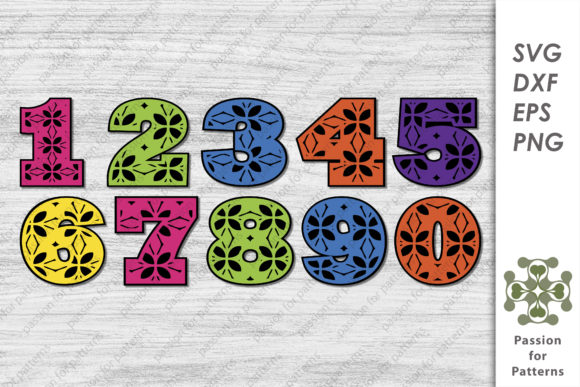
One of the most critical aspects of any digital craft project is the file format you receive. The original images provided in this collection have been meticulously prepared to ensure compatibility across various platforms and machines. You will not find watermarks cluttering your designs or backgrounds that require tedious removal. Instead, you get clean, crisp assets ready for immediate use. The download comes as a single zipped file containing four distinct formats: SVG, EPS, DXF, and PNG. Each serves a specific purpose within the modern creator's workflow.
SVG (Scalable Vector Graphics) are the gold standard for cutting machines like Silhouette Studio. These vector files come pre-loaded with cut lines, meaning the software knows exactly where to slice the material. The beauty of an SVG lies in its scalability. You can resize a small number from a birthday card to a massive banner sign without losing a single pixel of quality. Furthermore, while the cut lines remain intact, the color of the design itself is completely editable. This allows you to match your project's theme perfectly before you even send it to the cutter.
For those working in professional design environments or using older versions of software, EPS (Encapsulated PostScript) files are equally valuable. Like their SVG counterparts, these vector files include precise cut lines and allow for unlimited resizing. If you need to import the design into Adobe Illustrator or CorelDraw for further manipulation before sending it to a machine, the EPS format ensures that your Cut File Decorative Numbers remain sharp and true to the original artwork. It is the bridge between digital design and physical production.
Understanding the Role of DXF Files
Not every machine or software platform handles complex vector layers the same way. This is where DXF (Drawing Exchange Format) files become indispensable. These files are widely accepted by industrial plotters and many hobbyist cutting machines. A key distinction here is that the DXF files contain cut lines only. They are stripped of color information, focusing purely on the geometry required for the blade to follow. This makes them incredibly lightweight and fast to process, ensuring that even large batches of numbers can be cut efficiently without bogging down your computer's processing power.
While vectors are the heart of cutting projects, sometimes you need a raster image for printing or digital display. That is why the collection includes high-quality PNG (Portable Network Graphics) files. These are raster images set at 300ppi, which guarantees high resolution suitable for printing on paper, vinyl, or fabric. Unlike lower-quality images that might look pixelated when zoomed in, these PNGs maintain clarity. Crucially, they feature a transparent background, allowing you to layer the numbers over any texture or photo in your design software without seeing a white box behind them.
Seamless Integration with Modern Cutting Machines
The versatility of these files extends to their compatibility with the most popular cutting machines on the market today. If you own a Silhouette Cameo, the workflow is straightforward. Simply unzip the folder, drag the SVG or DXF file into Silhouette Studio, and the software will automatically recognize the cut paths. You can then adjust the size, change the color to represent your chosen material (like red for vinyl or blue for paper), and hit cut. The machine reads the vector data to execute a perfect cut every time.
Similarly, users of Cricut Design Space will find these files incredibly easy to integrate. While Cricut primarily uses its own native format, it accepts SVG imports seamlessly. Once uploaded, the Cut File Decorative Numbers retain their cut lines, allowing you to "Weed" the excess material digitally before loading the mat. This cross-compatibility means you don't need to worry about being locked into a specific ecosystem. Whether you are using a Brother ScanNCut, a Graphtec, or a specialized plotter, the inclusion of multiple formats ensures you have the right tool for the job.
Practical Applications in Everyday Projects
So, how do you actually use these files? The applications are nearly limitless. Consider a wedding season where you need to label champagne bottles with the couple's initials and the date. Using the Cut File Decorative Numbers, you can create elegant decals for glass surfaces. Because the SVG includes cut lines, you can easily separate the number from the decorative flourishes if you want to mix and match fonts.
Home organization is another area where these assets shine. Imagine creating custom labels for pantry jars, storage bins, or children's toy boxes. The ability to scale the numbers up or down means you can fit a single digit on a small spice jar or a double-digit number on a large plastic tote. The transparency of the PNG version is particularly useful here; you can place the number over a photo of the item you are labeling to see exactly how the final product will look before cutting any material.
For businesses, these files offer a cost-effective way to create signage. A boutique shop could use the numbers to create window displays indicating sale prices or department markers. Since the files are scalable, a design created for a small sticker can be blown up to fill a storefront window without becoming blurry. The color customization available in the SVG and EPS files allows you to brand the numbers with your company colors instantly.
Key Considerations Before You Start
Before diving into your next project, it is important to understand the nuances of working with these different formats. While the files are designed to be user-friendly, knowing the difference between vector and raster is crucial for success. Always start with the vector files (SVG, EPS, DXF) when you intend to cut. These provide the mathematical instructions the machine needs to move the blade. Using the PNG file for cutting is generally not recommended unless your machine has advanced image recognition features, as the PNG lacks the specific cut path data found in the other formats.
Another factor to consider is the material you are cutting. Different materials react differently to the cutting force. The Cut File Decorative Numbers are neutral in terms of material, but the complexity of the design might require adjustments. For instance, very thin lines in a decorative font might tear if you are cutting thick foam board, whereas they would work perfectly on adhesive vinyl. The ability to edit the color in the software helps you visualize these changes; you can assign a specific color to represent a specific material type to keep your workspace organized.
Maximizing Your Workflow Efficiency
To get the most out of your purchase, organize your downloaded zip file immediately. Create a master folder for each project and copy the relevant files into it. Keep the SVG and EPS files together for cutting tasks, and store the PNG separately for printing or digital mockups. This separation prevents confusion and saves time during the design phase. Additionally, always save a backup of your original zipped file. Even though the files are scalable, having the source ensures you never lose the highest quality version of your design.
When working with the DXF files, remember that they are cut-line only. If you are importing these into a program that doesn't support color mapping for cut paths, you may need to manually assign colors based on material thickness. However, this simplicity often leads to faster load times and fewer errors in the cutting sequence. It is a trade-off that many professional operators prefer for bulk jobs.
The availability of these files in a zipped package containing all four formats is a significant advantage. It eliminates the need to search for alternative converters or hope that a specific format works with your specific machine. You have everything you need in one go. From the initial design concept to the final cut, Cut File Decorative Numbers provide the reliability and precision that modern creators demand. By understanding the strengths of SVG, EPS, DXF, and PNG, you can approach every project with confidence, knowing that your tools are ready to handle whatever creative challenge you throw at them.
Whether you are celebrating a milestone, organizing your home, or launching a new product line, these digital assets are more than just pictures. They are functional components of a larger creative strategy. Their lack of watermarks and backgrounds ensures a professional finish, while their scalability guarantees that your ideas can grow as big as your imagination. Embrace the flexibility of these formats and watch your crafting projects reach new heights of quality and personalization.