Unlocking Creativity: The Ultimate Guide to Using Decorative Floral Patterns in Your Projects
In the world of design and creativity, few elements are as timeless and versatile as the decorative floral pattern. Whether you are a seasoned graphic designer, a craft enthusiast with a scrapbook full of memories, or a small business owner looking to brand your products, this specific design element offers an endless array of possibilities. It serves as more than just a pretty background; it is a fundamental tool for communication, decoration, and artistic expression.
This guide explores the profound significance of floral designs in modern life, detailing how they can transform simple projects into works of art. We will delve into the practical applications of these patterns, from digital backgrounds to physical crafts, ensuring you understand exactly how to leverage this resource effectively.
What Exactly Is a Decorative Floral Pattern?
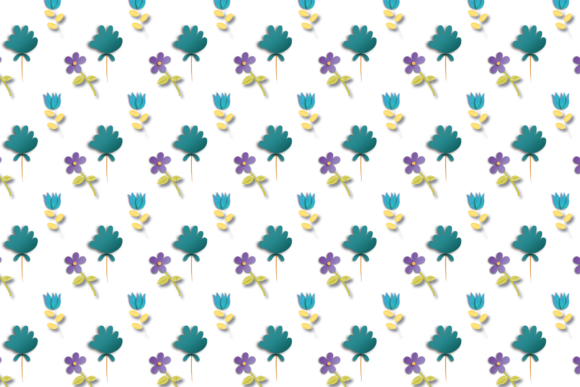
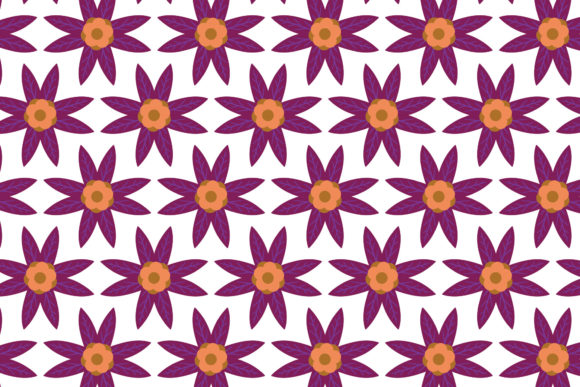
At its core, a decorative floral pattern is a repeating arrangement of flowers, leaves, vines, and botanical elements designed to create visual interest. Unlike a single photograph of a flower, a pattern is engineered to tile seamlessly across any surface. This repetition creates rhythm and flow, making it ideal for wrapping large areas without awkward gaps or interruptions.
The beauty of this design lies in its adaptability. While traditional florals might evoke Victorian elegance, modern interpretations often feature bold colors, abstract shapes, and contemporary layouts. This versatility allows the pattern to fit seamlessly into various aesthetics, from rustic farmhouse styles to sleek, minimalist corporate branding.
The Versatility of the Design
One of the most common misconceptions about floral patterns is that they are limited to greeting cards or spring-themed decorations. In reality, their utility spans across numerous industries and hobbies. When you acquire a high-quality design file, you are not just buying an image; you are purchasing a toolkit for creativity.
Consider the following scenarios where this design shines:
- Scrapbooking and Kids Crafts: For parents and educators, these patterns provide the perfect backdrop for preserving memories. They add structure and color to photo layouts, helping to organize chaotic collections of school papers and family photos.
- Event Planning: From party invitations to custom wrapping paper, the pattern sets the tone for celebrations. A wedding invitation featuring a delicate floral motif instantly communicates romance and sophistication.
- Business Branding: Small businesses often use these designs for printing labels on handmade goods, such as soaps, candles, or jams. It adds a professional touch that elevates the perceived value of the product.
Practical Applications Across Different Media
To truly appreciate the value of this asset, one must look at how it functions in both physical and digital realms. The transition between these two worlds is seamless when using the right file formats.
Physical Crafting and Printing
For those who enjoy hands-on activities, the decorative floral pattern is a game-changer. In card making, it can serve as the base layer, allowing other elements like stamps or die-cuts to pop against the colorful background. Similarly, when creating party invitations, the pattern ensures that every guest receives a cohesive and visually appealing piece of mail.
Wrapping paper is another standout application. Instead of buying generic store-bought rolls, you can print this design on large sheets of paper to create custom gifts. The repeating nature of the pattern means you can cut and paste sections to wrap boxes of any size without running out of design continuity. Furthermore, for DIY enthusiasts, printing these patterns on labels for jars or bottles can turn a homemade batch of cookies into a boutique-style gift.
Digital Backgrounds and Modern Tech
In our increasingly digital age, the utility of this pattern extends beyond paper. As a digital background, it can be used for desktop wallpapers, social media story templates, or even website headers. The high-resolution quality ensures that whether viewed on a smartphone screen or a 4K monitor, the details remain crisp and vibrant.
Teachers and content creators also find immense value here. A floral pattern can soften the look of educational slides, making learning materials more engaging for children. It provides a friendly, approachable atmosphere that encourages interaction without being distracting.
Understanding the Technical Specifications
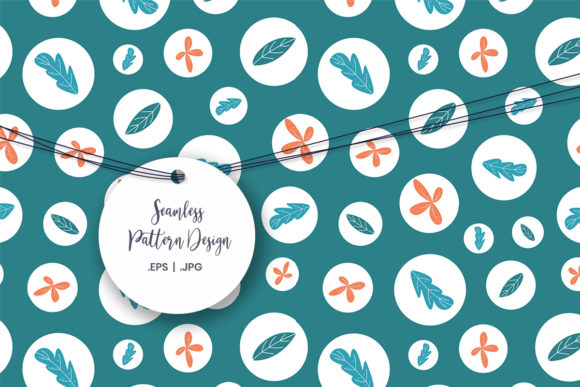
When acquiring a design asset, understanding the technical details is crucial for achieving the best results. You will receive this specific design in two primary formats: EPS 10 and JPG high-resolution file. Knowing the difference between these two is essential for your workflow.
The Power of EPS 10 Files
The EPS 10 (Encapsulated PostScript) format is the gold standard for professional printing and vector-based editing. This format is "vector," meaning the image is made up of mathematical paths rather than pixels. The benefit? You can scale the design to the size of a billboard or shrink it to the size of a postage stamp without losing any quality or sharpness.
If you plan to send your project to a professional printer, use the EPS 10 file. It allows for precise color management and ensures that the lines of the floral pattern remain razor-sharp. It is also compatible with industry-standard software like Adobe Illustrator and CorelDRAW, giving you the flexibility to edit individual elements if needed.
The Convenience of High-Resolution JPG
On the other hand, the JPG high-resolution file is perfect for quick edits and general use. Since it is a raster image (made of pixels), it opens easily in almost any program, including Microsoft Word, Photoshop, or even basic photo editors. The "high-resolution" tag indicates that the pixel count is sufficient for standard home printing and digital display purposes.
This format is ideal for users who do not need to resize the image drastically or modify the vector paths. It is the go-to choice for inserting images into documents, emails, or web pages where file size matters but maximum scalability does not.
Important Considerations for Color Accuracy
While the design itself is stunning, there is one critical factor that all users must keep in mind regarding color fidelity. Please note that the colors on your screen may be slightly different from the actual print.
This phenomenon occurs due to the difference between RGB (Red, Green, Blue) color mode used by screens and CMYK (Cyan, Magenta, Yellow, Key/Black) color mode used by printers. Screens emit light to create color, while printers reflect light off ink. Consequently, bright neon greens or deep purples might appear slightly muted or shifted in hue once printed.
To mitigate this issue, always perform a test print on a small section before committing to a large project. If you are using the EPS 10 file, ensure your printing software is set to the correct color profile. Understanding this nuance helps manage expectations and ensures that the final product matches your creative vision as closely as possible.
Why This Matters for Creatives and Businesses
In today's competitive market, visual appeal is paramount. A well-executed decorative floral pattern can be the difference between a generic product and a memorable brand experience. It signals attention to detail and a commitment to quality.
For the hobbyist, it represents freedom. It allows for the creation of personalized items that carry emotional weight. A birthday card with a unique floral design feels more heartfelt than a mass-produced one. For the educator, it aids in engagement, making complex information easier to digest through visual organization.
Furthermore, the sustainability aspect cannot be overlooked. By using digital files to create your own wrapping paper, labels, and cards, you reduce reliance on disposable, factory-made items. You control the materials you use, potentially opting for recycled paper and eco-friendly inks, aligning your creativity with environmental responsibility.
Conclusion: Embrace the Beauty of Florals
The decorative floral pattern is much more than a simple image; it is a bridge between tradition and modernity, connecting the natural world with human ingenuity. Its ability to function as a digital background, a crafting staple, or a branding tool makes it an indispensable asset for anyone seeking to add beauty and structure to their work.
Whether you are preparing for a special event, launching a new product line, or simply enjoying a quiet afternoon of scrapbooking, this design offers the flexibility to meet your needs. By understanding the formats provided—EPS 10 for precision and JPG for convenience—and respecting the nuances of color printing, you can maximize the potential of this beautiful resource.
So, open your design software, grab your scissors, or start your next project. Let the intricate details of the floral pattern inspire your creativity and bring a touch of nature's elegance to every corner of your life.