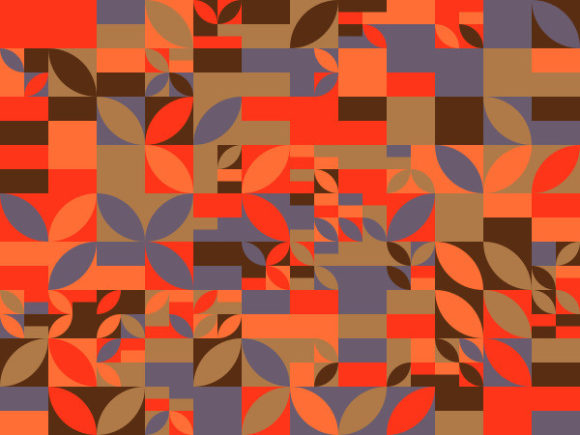
Decorative Aesthetic Art: Timeless Design for Modern Brands
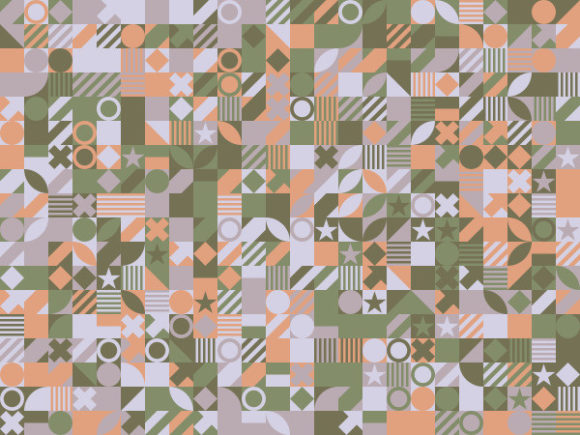
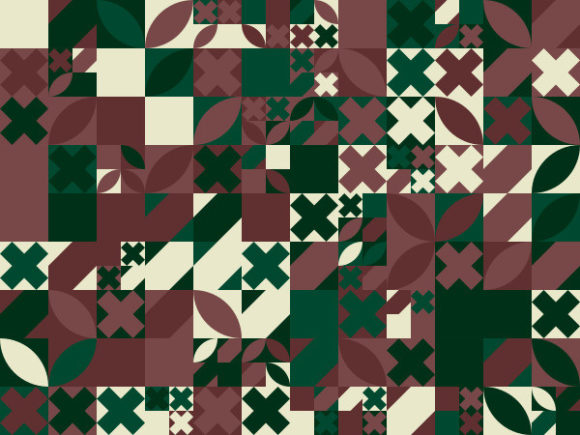
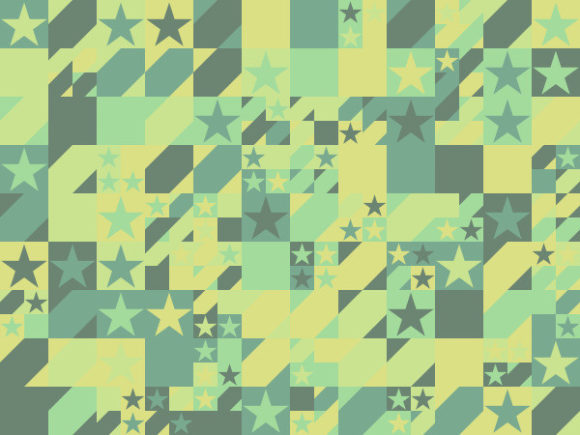
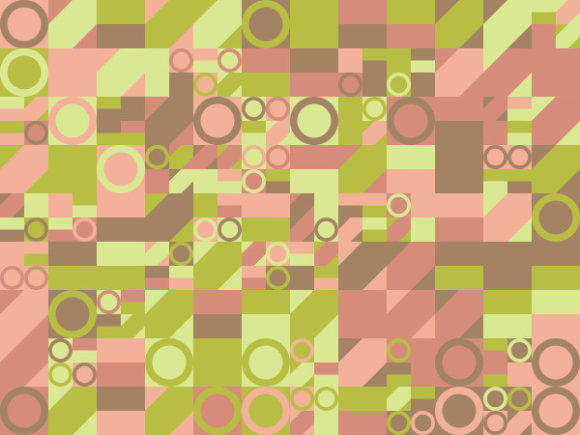
In a digital landscape saturated with generic templates and fleeting trends, Decorative Aesthetic Art stands out as a sophisticated bridge between historical elegance and contemporary utility. This isn't just about applying a pretty pattern to a background; it is about leveraging a distinct visual language that commands attention while maintaining an air of refined professionalism. The collection merges the geometric precision of Art Deco with the clean lines of modernism, creating a versatile aesthetic that feels both vintage and fresh.
What makes this approach so compelling for designers and brand strategists is its inherent flexibility. Whether you are crafting a luxury invitation suite, developing a corporate identity system, or designing packaging for a boutique product, these digital papers offer a foundation that supports high-end storytelling without overwhelming the core message. By integrating elements of graphic design history into scalable SVG files, we provide assets that are not only visually striking but also technically robust for any application size.
The Visual Personality of Decorative Aesthetic Art
At its core, Decorative Aesthetic Art is defined by a harmonious balance of structure and ornamentation. The visual characteristics draw heavily from the golden age of design, utilizing bold geometric shapes, symmetrical layouts, and intricate line work that evoke the glamour of the 1920s and 30s. However, unlike purely historical recreations, this style has been filtered through a modern lens. The result is a set of patterns that feel curated rather than dated, suitable for audiences ranging from traditionalists to avant-garde creatives.
The personality of these designs is confident yet understated. They possess a "quiet luxury" appeal that works exceptionally well in contexts where subtlety is key. When used correctly, the aesthetic does not scream for attention; instead, it invites the viewer to lean in closer to appreciate the details. This quality is crucial for brand identity, as it suggests a business that values craftsmanship and attention to detail. The inclusion of Serif font styles within the broader design ecosystem complements these patterns perfectly, reinforcing a sense of authority and timelessness.
Furthermore, the scalability of the included SVG files ensures that the integrity of these decorative elements remains intact whether they are printed on a massive billboard or displayed as a tiny icon on a mobile interface. This technical capability is often overlooked in favor of visual flair, but it is essential for maintaining a consistent premium font experience across all touchpoints. The ability to edit these files easily allows professionals to tweak colors, adjust spacing, or isolate specific motifs to fit the unique needs of a project without losing the original artistic intent.
Strategic Applications Across Industries
The versatility of Decorative Aesthetic Art extends far beyond simple decoration. In the realm of corporate identity, these assets serve as powerful tools for differentiation. A law firm or financial institution might use a muted, monochromatic version of these patterns for letterhead and presentation decks to convey stability and heritage. Conversely, a lifestyle brand or fashion retailer could utilize vibrant iterations for packaging design and social media graphics to inject energy and sophistication into their visual output.
- Editorial Design: Magazines and publishers can use these backgrounds to create distinctive section dividers, chapter headers, or full-page spreads that elevate the reading experience.
- Invitations and Stationery: For weddings, galas, or exclusive events, the blend of vintage and modern aesthetics creates an immediate sense of occasion and exclusivity.
- Web Design: Integrating these patterns as subtle overlays or hero sections can break up white space and guide user attention without cluttering the interface.
- Apparel and Merchandise: The scalable nature of the vector files makes them ideal for screen printing and embroidery on t-shirts, tote bags, and other promotional items.
For content creators and bloggers, these assets offer a quick way to establish a cohesive visual theme. Instead of spending hours sourcing disparate images, a designer can pull from a unified library of design assets that already share a common DNA. This consistency is vital for building audience recognition and trust over time.
Elevating Readability and Brand Perception
One of the most significant challenges in display font usage and background design is balancing visual interest with legibility. Decorative Aesthetic Art addresses this by offering layers of complexity that can be adjusted based on the text requirements. When paired with a clean sans serif font for body copy, the intricate patterns provide a rich backdrop that frames the text without competing for focus. This strategic contrast enhances readability while adding depth to the overall composition.
The psychological impact of these designs on brand perception cannot be overstated. Consumers subconsciously associate high-quality, well-crafted visuals with reliability and expertise. By choosing a commercial font and asset pack that demonstrates such care in execution, businesses signal that they do not cut corners. This perception of professionalism can directly influence conversion rates and customer loyalty. In an era where digital fatigue is real, a thoughtfully designed interface or print piece using these aesthetics can refresh a user's engagement and encourage them to spend more time with the content.
Moreover, the timeless nature of the style ensures longevity. Trends in modern typography come and go, but the principles of Art Deco and modernism have stood the test of time. Investing in these assets means your branding materials will remain relevant for years, reducing the need for frequent rebrands and saving resources in the long run.
Practical Guidance for Implementation
Selecting the right assets requires a thoughtful evaluation of your project goals. Before diving in, consider the tone you wish to convey. If your brand is playful and youthful, you might opt for bolder color palettes and looser geometric arrangements. For a more serious, institutional look, stick to monochrome schemes and tighter, more rigid structures. It is always advisable to review the included styles thoroughly to understand the range of options available.
When testing font pairing, remember that the goal is harmony, not competition. Since Decorative Aesthetic Art often features complex patterns, pair them with typefaces that have strong character but clear legibility. A classic serif font for headings combined with a neutral handwritten font for accents can create a dynamic yet balanced hierarchy. Always test your combinations at actual sizes to ensure that the fine details of the artwork do not disappear when scaled down for mobile screens or small print formats.
Finally, never overlook the importance of licensing. Ensure that your chosen creative font and asset pack allow for the intended commercial use, especially if you are producing goods for sale or large-scale marketing campaigns. Understanding the scope of the license protects your business and ensures ethical use of intellectual property. By following these practical steps, you can harness the full potential of Decorative Aesthetic Art to create designs that are not only beautiful but also strategically sound and commercially viable.