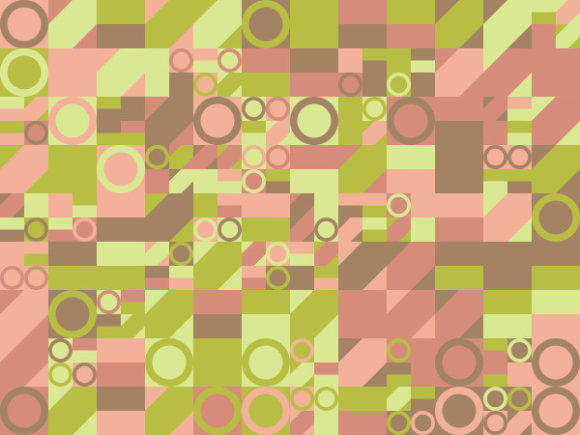
Decorative Classic Art for Modern Design
In a digital landscape saturated with generic templates and fleeting trends, Decorative Classic Art offers a refreshing return to timeless elegance. It is not merely about nostalgia; it is a strategic design choice that bridges the gap between historical sophistication and contemporary functionality. For professionals who need their work to stand out without sacrificing readability or brand integrity, this aesthetic provides a robust foundation.
The core appeal lies in its versatility. These digital assets are not static images but rather living components of your creative workflow. When you access files that include easily editable SVG formats, you unlock a level of control that raster graphics simply cannot match. You can scale these designs from a tiny favicon on a mobile screen to a massive billboard for an outdoor campaign without losing a single pixel of quality. This scalability ensures that your visual identity remains crisp and professional across every medium.
Understanding the Aesthetic Blend
What exactly makes this style so effective? The answer is in the fusion. Decorative Classic Art does not stick to one era. Instead, it harmoniously combines the geometric precision of Art Deco, the clean lines of Modernism, the rich textures of Vintage styles, and the bold compositions of Contemporary graphic design. This synthesis creates a look that feels both familiar and fresh.
- Art Deco Influence: Provides structured symmetry and luxurious detailing that conveys status and stability.
- Modernist Simplicity: Ensures that the design remains uncluttered and focused, preventing the "busy" look often associated with ornate patterns.
- Vintage Warmth: Adds character and depth, making digital interactions feel more human and less sterile.
- Contemporary Edge: Keeps the overall composition relevant to current market expectations.
This balanced approach allows designers to evoke emotion without overwhelming the viewer. Whether you are creating a corporate identity or a personal blog header, the ability to blend these eras results in a unique visual language that commands attention.
Why Editable SVGs Matter
The inclusion of SVG (Scalable Vector Graphics) is arguably the most practical feature of this collection. Unlike JPEG or PNG files, which become pixelated when enlarged, vector-based art relies on mathematical paths. This means you can manipulate individual elements, change colors to match your specific brand palette, adjust stroke widths, or rearrange motifs without degrading the image quality.
For freelancers and agency owners, this translates directly into efficiency. You spend less time trying to recreate a pattern from scratch or fighting with low-resolution assets. Instead, you can import the file, tweak the necessary details, and have a custom asset ready for production in minutes. This flexibility is crucial for maintaining high standards of output while meeting tight deadlines.
Practical Applications Across Industries
The utility of Decorative Classic Art extends far beyond simple decoration. It serves as a functional tool for communication and branding in diverse environments. Here is how different sectors leverage these assets to enhance their projects.
Corporate Identity and Branding
Establishing trust is paramount for businesses. A logo or letterhead featuring classic decorative elements suggests longevity and reliability. Imagine a law firm or a financial consultancy using a subtle Art Deco border on their business cards. The texture adds a layer of perceived value that plain white paper cannot achieve. Furthermore, these patterns can be used to create cohesive brand kits, ensuring that social media posts, email signatures, and presentation decks all share a unified, polished look.
Invitations and Stationery
When it comes to weddings, galas, or exclusive product launches, first impressions matter immensely. Digital papers derived from classic art provide the perfect backdrop for invitations. The intricate details draw the eye, signaling that the event is special. Because the files are scalable, you can print them on premium cardstock for physical mailers or use them for high-resolution digital invites sent via email or messaging apps.
Apparel and Packaging
Merchandise and packaging are prime real estate for storytelling. Brands looking to differentiate themselves on crowded shelves benefit from the unique textures found in these collections. Whether it is wrapping paper for a luxury boutique or a pattern printed on a t-shirt, the ability to edit the SVG allows manufacturers to adapt the color scheme instantly to seasonal trends or limited edition runs. This reduces waste and inventory costs by allowing a single design file to serve multiple purposes.
Web Design and User Experience
In the digital realm, aesthetics must never compromise performance. SVG files are lightweight, which helps maintain fast load times for websites—a critical factor for SEO and user retention. You can use these decorative elements as background accents, section dividers, or interactive hover effects. They add personality to a website without slowing down the browsing experience, effectively guiding the user's eye through the content hierarchy.
Educational and Creative Projects
Educators and bloggers also find immense value in these resources. Creating engaging lesson plans, worksheets, or blog graphics requires visuals that capture attention. A history lesson on the 1920s becomes more immersive with authentic-looking Art Deco borders. Similarly, hobbyists designing scrapbooks or digital journals appreciate the ability to mix vintage and modern elements to tell their own stories.
Selecting and Implementing Your Assets
While the potential of Decorative Classic Art is vast, successful implementation requires a thoughtful approach. Not every pattern fits every context. The key is to balance the ornamental nature of the art with the primary function of your project.
When evaluating a new set of assets, consider the following factors:
- Contrast and Readability: Ensure that text placed over the decorative background remains legible. Use the editing capabilities of SVGs to lighten the pattern or reduce its opacity if necessary.
- Brand Alignment: Does the vibe of the classic art match your brand voice? A playful, whimsical vintage style might clash with a serious medical practice, whereas a sleek, geometric Art Deco style would fit perfectly.
- File Organization: Since these files are editable, keep your layers organized. Name your groups clearly so that future edits are intuitive, whether you are working alone or collaborating with a team.
- Consistency: Avoid mixing too many disparate styles within a single project. Stick to one cohesive theme to maintain a professional appearance.
By treating these digital papers as flexible building blocks rather than rigid decorations, you open up a world of creative possibilities. They empower you to craft narratives that resonate with audiences on an emotional level while adhering to the technical demands of modern design.
Ultimately, the goal is to create work that endures. Trends come and go, but the principles of good design—balance, harmony, and clarity—are timeless. By integrating Decorative Classic Art into your workflow, you align yourself with these enduring principles. Whether you are launching a startup, hosting a wedding, or publishing a book, these tools provide the visual strength needed to make a lasting impact. Embrace the editability, respect the history, and let your creativity flourish in a format that truly adapts to your vision.