Decorative Gate: The Essential Guide to Digital Files for Your Next Project
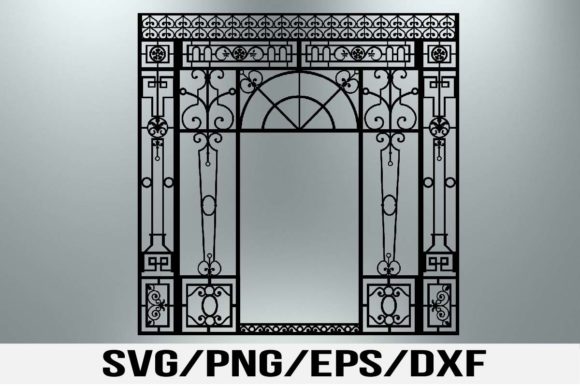
You have likely stumbled upon the term Decorative Gate while browsing design resources or planning a custom project, and your first thought might be about ordering a physical metal structure for your garden. It is a very common assumption, but it is also a critical misunderstanding that can waste your time and budget if you are not careful. A decorative gate in this context is not a tangible object waiting to be delivered to your doorstep; it is a versatile digital asset designed to bring artistic flair to your creations.
Understanding the true nature of these files is the first step toward success. Whether you are a hobbyist looking to cut intricate patterns for a wedding invitation or a small business owner creating branded merchandise, knowing exactly what you are buying ensures you get the quality you expect. This guide cuts through the confusion to help you navigate the world of digital cut and print files effectively.
Digital vs. Physical: Clarifying the Deliverable
The most significant mistake beginners make is expecting a physical product. When you purchase a Decorative Gate file, you are acquiring intellectual property in the form of code and vector paths, not a shipped item. No hardware will arrive at your address. Instead, you receive a set of high-resolution digital files ready for immediate use on your computer.
This distinction is vital because it changes how you approach the project. You must have access to the appropriate software and hardware to utilize these assets. If you do not own a cutting machine like a Cricut or Silhouette, or if you lack design software such as Adobe Illustrator or CorelDRAW, the file remains unusable. Before clicking "buy," ensure your workflow supports digital downloads. This preparation prevents the frustration of owning a file you cannot open or process.
File Formats Explained
When you download your Decorative Gate package, you will typically receive a collection of specific formats, each serving a unique purpose in the production chain. Understanding the difference between SVG, PNG, DXF, and EPS is essential for achieving professional results.
- SVG (Scalable Vector Graphics): This is the gold standard for modern cutting machines. An SVG file contains mathematical paths rather than pixels, meaning you can resize the Decorative Gate pattern from a tiny tag to a massive wall mural without losing any detail. It is the preferred format for vinyl cutters and laser engravers.
- DXF (Drawing Exchange Format): Widely used in the CAD and CNC industries, DXF files are compatible with older cutting software and industrial machinery. If you are using a commercial-grade laser cutter or a specific brand of plotter, this format is often required to ensure precise alignment.
- EPS (Encapsulated PostScript): Ideal for professional graphic designers, EPS files allow for complex editing in vector software. They are perfect for integrating the gate design into larger marketing materials, brochures, or logos where you need to manipulate colors and layers independently.
- PNG (Portable Network Graphics): Unlike the others, PNG is a raster image made of pixels. While convenient for quick previews or printing directly to an inkjet printer, it lacks the infinite scalability of vector formats. Using a PNG for a large-scale cut can result in jagged edges and poor quality.
Selecting the wrong format for your intended output is a common pitfall. For instance, trying to cut a PNG file on a vinyl cutter will fail because the machine cannot interpret pixel data as a cutting path. Always match the file type to your tool.
Avoiding Common Pitfalls in Design Application
Even with the correct files, many creators struggle with the execution phase. One frequent error involves ignoring the structural integrity of the design. A Decorative Gate often features intricate latticework or fine lines. When scaling these designs down too much, the material may become too fragile to hold together, leading to breakage during the cutting process or failure once installed.
Conversely, scaling a design up without adjusting the line weight or thickness can make the gate look blocky and lose its delicate charm. The solution lies in testing. Before committing to expensive materials like wood, acrylic, or premium vinyl, always run a test cut on scrap material. This simple step allows you to verify that the bridge connections in the design are strong enough and that the details remain crisp.
Material Selection Matters
Another overlooked detail is the compatibility between the file complexity and the material you choose. A highly detailed Decorative Gate pattern works beautifully on thin cardstock or adhesive vinyl, but attempting to cut the same level of detail into thick hardwood or heavy-gauge metal requires a powerful laser cutter or waterjet system. Professionals often underestimate the power required for dense vector paths.
If you are a beginner using a consumer-grade machine, opt for simpler variations of the design or thicker materials to prevent the "bridges" holding the design together from snapping. By aligning your material choice with the intricacy of the file, you ensure a smoother production process and a higher-quality final product.
Evaluating Quality Before You Commit
Not all digital files are created equal. Some sellers provide poorly traced images that result in messy cuts, missing nodes, or overlapping paths. When evaluating a Decorative Gate listing, look for evidence of clean vector paths. High-quality files should open without errors in your design software and show smooth curves rather than jagged lines when zoomed in.
Check the layer information as well. Professional files often separate different parts of the gate design into distinct layers, allowing you to cut different sections with different tools or colors. A disorganized file forces you to spend hours manually cleaning up the design before you can even start working, which defeats the purpose of buying a ready-to-use asset.
Legal and Usage Considerations
Finally, always review the licensing terms associated with the digital download. Many creators offer personal use licenses, which allow you to sell finished products made from the design, while others restrict commercial use entirely. Misunderstanding these terms can lead to legal issues or the loss of your business reputation. Ensure the license explicitly permits your intended use, whether that is selling t-shirts, creating signage, or making gifts for friends.
By approaching the Decorative Gate concept with a clear understanding of its digital nature, respecting the technical requirements of the file formats, and taking the time to test and plan your application, you can avoid costly mistakes. Treat these files as powerful tools in your creative arsenal, and they will enable you to produce stunning, professional-grade work that stands out from the crowd.