Decorative Pattern Motif: A Timeless Design Element for Modern Creativity
Decorative pattern motifs have long been a staple in the world of design, offering a blend of artistry and functionality. Whether you're an artist, a graphic designer, or simply someone looking to enhance your digital projects, understanding the value of Decorative Pattern Motif can open up new creative possibilities. In this article, we’ll explore what makes these designs unique, how they can be used effectively, and why they remain relevant in today's digital landscape.
Understanding Decorative Pattern Motif
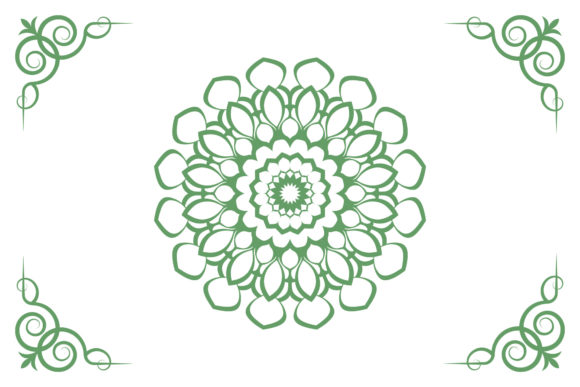
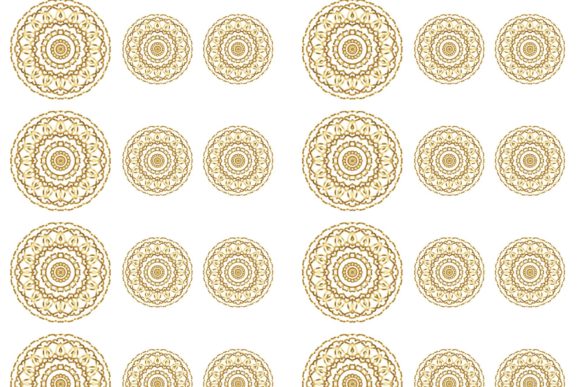
A Decorative Pattern Motif refers to a recurring visual element that adds texture, interest, and style to a design. These motifs often feature intricate patterns, geometric shapes, or floral elements arranged in symmetrical or asymmetrical ways. The key characteristic of a Decorative Pattern Motif is its ability to serve as both a background and a focal point within a larger composition.
One popular form of Decorative Pattern Motif is the Mandala Design. Originating from ancient spiritual traditions, Mandalas are circular designs that symbolize harmony, balance, and unity. Their complexity and symmetry make them visually striking and deeply meaningful, making them a favorite among designers and artists alike.
The Value of Decorative Pattern Motifs
The beauty of Decorative Pattern Motifs lies in their versatility. They can be adapted to suit a wide range of purposes, from enhancing digital illustrations to creating eye-catching branding materials. Here are some key reasons why they are so valuable:
- Versatility: Decorative Pattern Motifs can be used across various media, including print, web, and mobile design.
- Cultural Significance: Many motifs carry cultural or historical meaning, adding depth and context to a design.
- Visual Appeal: The intricate details and repeating elements create a sense of rhythm and movement, capturing attention effortlessly.
- Customizability: With modern design tools, these motifs can be easily modified to fit specific needs or brand identities.
Where Can Decorative Pattern Motifs Be Used?
Decorative Pattern Motifs find applications in numerous fields, making them a practical choice for both professionals and hobbyists. Some common uses include:
- Graphic Design: From website backgrounds to social media banners, these motifs add visual interest without overwhelming the content.
- Interior Design: Wallpapers, textiles, and furniture often incorporate decorative patterns to create a cohesive and aesthetically pleasing environment.
- Textile Industry: Fabrics used in clothing, home décor, and accessories frequently feature intricate pattern motifs to elevate their appearance.
- Branding and Packaging: Businesses use these designs to create memorable logos, packaging, and promotional materials that stand out on the shelf.
- Art and Illustration: Artists use Decorative Pattern Motifs to add texture and detail to paintings, drawings, and digital artwork.
Who Benefits from Using Decorative Pattern Motifs?
The appeal of Decorative Pattern Motifs extends beyond just designers. Here’s a breakdown of who can benefit from incorporating them into their work:
- Design Professionals: Graphic designers, illustrators, and UI/UX developers can use these motifs to enhance their projects with visual flair.
- Business Owners: Entrepreneurs looking to build a strong brand identity can leverage these motifs in their marketing materials and product packaging.
- Homeowners and Interior Designers: Those seeking to personalize living spaces can use these motifs in wall art, cushions, and curtains.
- Students and Educators: Art students and teachers can explore different styles and techniques using these motifs as inspiration.
- Online Creators: Content creators, bloggers, and influencers can incorporate these designs into their blog headers, Instagram posts, and YouTube thumbnails.
Exploring Mandala Designs Within Decorative Patterns
Among the many types of Decorative Pattern Motifs, Mandala Designs hold a special place due to their symbolic significance and visual complexity. Mandalas are not only beautiful but also deeply rooted in cultural and spiritual traditions. Their circular nature and repetitive patterns evoke a sense of calm and focus, making them ideal for meditation, relaxation, and artistic expression.
When designing with Mandala motifs, it's important to consider the scale, color palette, and level of detail. A minimalist Mandala may be more suitable for a modern interior space, while a highly detailed version could be used in fine art or luxury branding.
Real-World Applications of Mandala Designs
Mandala Designs have found their way into various industries, proving their adaptability and appeal. Here are a few real-world examples:
- Fashion Industry: High-end fashion houses often incorporate Mandala patterns into their collections, using them as prints on clothing, accessories, and even runway backdrops.
- Health and Wellness: Yoga studios and wellness centers use Mandala designs in their interiors and promotional materials to create a serene and inviting atmosphere.
- Technology and Web Design: Websites focused on mindfulness, meditation, and spirituality often feature Mandala patterns in their background designs to enhance user experience.
- Art Therapy: Therapists and artists use Mandala Designs as a tool for self-expression, helping individuals explore emotions and thoughts through drawing and coloring.
Evaluating Decorative Pattern Motifs for Your Projects
Before incorporating a Decorative Pattern Motif into your project, it's essential to evaluate whether it aligns with your goals and audience. Consider the following factors:
- Purpose: What is the main objective of your design? Is it to inform, entertain, or inspire?
- Audience: Who will be viewing your design? Understanding your audience helps determine the appropriate level of detail and style.
- Context: Where will the design be used? Will it appear on a website, in print, or as part of a physical product?
- Brand Identity: Does the motif support your brand’s image and message? It should complement rather than compete with your overall brand identity.
- Technical Feasibility: Are there any technical limitations or requirements that need to be considered, such as file size, resolution, or compatibility with design software?
Practical Tips for Working with Decorative Pattern Motifs
To ensure the best results when working with Decorative Pattern Motifs, here are some practical tips:
- Start Simple: Begin with a basic motif and gradually add complexity as needed. This allows for better control over the final outcome.
- Experiment with Colors: Play with different color combinations to see how they affect the overall look and feel of the design.
- Use High-Quality Files: When downloading or purchasing decorative motifs, always opt for high-resolution files (such as 1920px X 1280px) to ensure clarity and sharpness in all formats.
- Test Across Platforms: Make sure the design looks good on different devices and screen sizes before finalizing it.
- Stay Inspired: Explore various sources of inspiration, such as nature, architecture, and traditional art, to discover new ideas and approaches.
In conclusion, Decorative Pattern Motifs offer a rich source of inspiration and utility for anyone involved in design. Whether you're drawn to the intricate beauty of Mandala Designs or prefer more contemporary patterns, there's something for everyone. By understanding their purpose, features, and applications, you can harness their potential to create stunning and meaningful designs that resonate with your audience.