Decorative Flowers Collections for Designers
In the world of visual communication, a single image can often convey more emotion and context than a paragraph of text. When you are designing a brand identity, crafting a marketing campaign, or creating content for a personal blog, the difference between a generic layout and a compelling piece of art often lies in the details. This is where Decorative Flowers Collections become an essential asset. These are not merely images to be pasted onto a page; they are high-quality, versatile resources designed to elevate your work instantly.
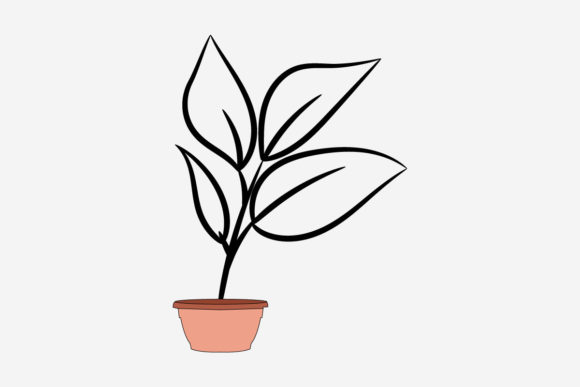
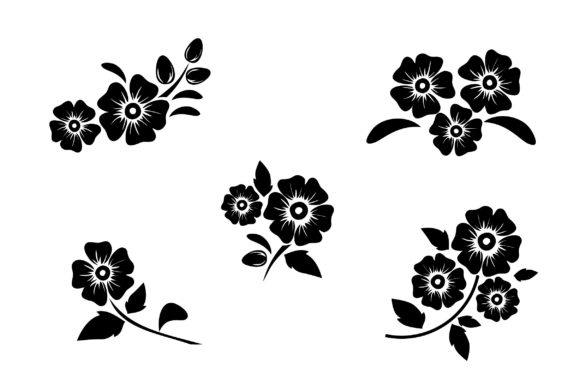
The modern creator faces a constant pressure to produce unique, high-resolution visuals across multiple platforms. Whether you are a professional graphic designer working on a client's rebranding project, a small business owner launching a new product line, or a hobbyist putting together a DIY craft project, the need for flexible design elements is universal. A set of decorative flowers collections, useful for icon and print templates, solves this problem by providing ready-to-use assets that maintain their integrity regardless of how you use them.
Why Vector Quality Matters for Your Workflow
One of the most critical aspects of any design resource is its scalability. In the past, designers often had to choose between low-resolution raster images that looked pixelated when enlarged or complex vector files that were difficult to edit. The Decorative Flowers Collections bridge this gap by offering true vector formats. This means that every petal, stem, and leaf is defined by mathematical equations rather than fixed pixels.
When you open these files, you gain the ability to resize them without losing quality. Imagine you have designed a beautiful invitation card featuring floral accents. If you decide later that you need to scale that same design up for a large format poster or down for a social media profile picture, standard images might degrade. With these vector templates, the lines remain crisp and sharp at any size. This flexibility saves significant time during the revision process, allowing you to experiment with layouts freely without worrying about technical limitations.
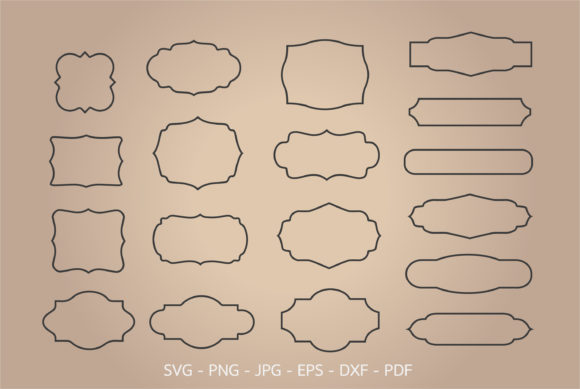
The collection includes specific file types tailored to different workflows:
- EPS10 Files: Ideal for professional illustration software like Adobe Illustrator, offering full editability for advanced users who need to manipulate paths and colors.
- SVG Files: Perfect for web developers and UI/UX designers who need lightweight, scalable graphics that load quickly on websites and blogs.
- PNG Files: Great for quick insertion into presentations or documents where transparency is required but editing paths is not necessary.
- JPG Files: Useful for immediate printing or sharing in contexts where file compatibility is the primary concern.
Enhancing Brand Identity and Visual Storytelling
For entrepreneurs and marketers, consistency is key to building trust. Using a cohesive set of decorative flowers collections ensures that your visual language remains uniform across all touchpoints. Instead of searching for disparate images that clash in style or resolution, you can apply a curated aesthetic to your logo, packaging, website headers, and email newsletters.
Consider a scenario where a boutique coffee shop is launching a new seasonal blend. The owner needs a label design that feels organic and premium. By incorporating elements from a decorative flower set, they can create a natural frame around the product name, adding depth and texture without needing to hire an illustrator from scratch. The result is a polished look that communicates quality to the consumer immediately.
This utility extends beyond physical products. For bloggers and educators, these graphics serve as powerful engagement tools. A tutorial post about gardening becomes visually richer when adorned with relevant botanical illustrations. An educational slide deck on biology gains clarity when diagrams are enhanced with accurate, editable floral structures. The ability to add these elements as distinct layers allows you to integrate them seamlessly into your narrative, making complex information more accessible and enjoyable to read.
Streamlining Creative Projects and DIY Crafts
The versatility of these files makes them equally valuable for non-digital applications. Many creators utilize these designs for physical crafts, such as scrapbooking, greeting card making, or custom t-shirt printing. Because the files are openable and editable, you can adjust the color palette to match a specific theme before sending them to a printer.
For instance, a wedding planner might use a floral vector set to create custom stationery. They can easily change the green of the leaves to match the bridesmaids' dresses or alter the flower color to fit the wedding theme. This level of customization is often impossible with pre-made clip art. Furthermore, the inclusion of various formats means that whether you are using a home inkjet printer, a commercial offset press, or a heat press for apparel, you have the right file type ready to go.
It is important to note that while these collections are highly adaptable, they require the correct software to unlock their full potential. If you intend to modify the shapes or colors significantly, having access to vector-editing software like Adobe Illustrator, CorelDRAW, or free alternatives like Inkscape is recommended. However, if your goal is simply to place the image into a document, the provided PNG and JPG files are sufficient for immediate use.
Selecting the Right Assets for Your Goals
Not every design project requires a full suite of botanical illustrations. When integrating Decorative Flowers Collections, it helps to evaluate your specific constraints. Are you designing for mobile screens? In this case, SVG files are superior because they reduce page load times and ensure sharp rendering on high-density displays. Are you creating a print brochure? EPS10 files provide the highest fidelity for professional printing processes.
There are also stylistic considerations. While these collections are designed to be versatile, the specific artistic style—whether it is realistic, minimalist, or hand-drawn—should align with your brand voice. A corporate law firm might prefer subtle, monochromatic floral accents, whereas a children's book publisher would benefit from vibrant, playful arrangements. Taking the time to review the available options within the collection ensures that the added elements support rather than distract from your core message.
Additionally, while these files offer immense value, they are best used as foundational elements rather than the sole focus of a design. Overusing decorative elements can clutter a composition. The most effective designs use these flowers to guide the viewer's eye, frame text, or break up large blocks of white space. Think of them as punctuation marks in a sentence: they enhance the meaning but do not replace the words themselves.
Maximizing Efficiency Without Compromising Creativity
Ultimately, the value of decorative flowers collections, useful for icon and print templates lies in the efficiency they bring to the creative process. By reducing the time spent sourcing images and fixing resolution issues, you free up mental energy to focus on strategy and storytelling. Whether you are building a logo from scratch, animating a sequence for a website, or printing a batch of flyers, having a library of high-quality, editable assets at your fingertips accelerates your workflow.
These resources empower a wide range of professionals—from freelancers managing tight deadlines to educators preparing engaging materials. They remove the barrier of technical skill, allowing anyone with a vision to execute it professionally. As long as you respect the file formats and understand the capabilities of your design software, these collections can transform a standard project into something distinctive and memorable. In an era where visual standards are higher than ever, leveraging the right tools is the first step toward achieving excellence in your work.