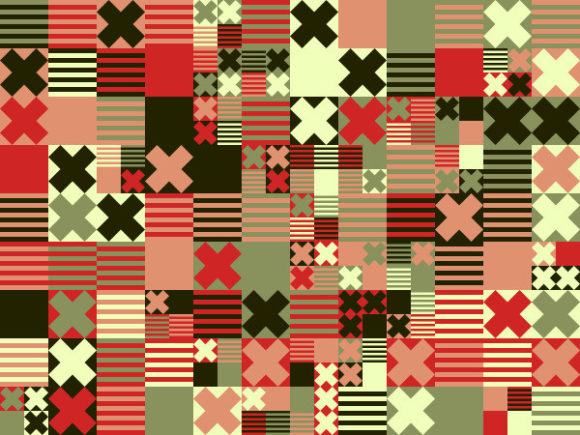
Decorative Website Art: A Practical Evaluation of Scalable SVG Assets
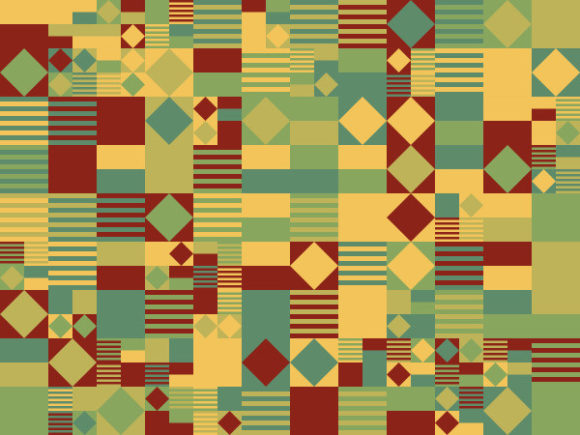
In the current digital landscape, visual identity is no longer just about a logo or a color palette; it is about the texture and atmosphere that a brand projects across every touchpoint. Decorative Website Art has emerged as a critical component in this ecosystem, bridging the gap between static imagery and dynamic user experience. Specifically, collections that offer file-included SVGs with easy editability represent a significant shift in how designers and developers approach asset management. These digital papers are not merely background images; they are functional design elements that combine the aesthetics of art deco, modernism, vintage, and contemporary graphic design into a cohesive, timeless package.
The value proposition here lies in the intersection of style and utility. For professionals ranging from corporate identity specialists to freelance web designers, the ability to scale graphics without losing resolution is non-negotiable. When these assets are delivered as scalable vector graphics (SVG), they solve a persistent problem in web development: the pixelation that plagues raster images on high-density displays. By integrating these decorative elements, creators can maintain a consistent visual language from a mobile phone screen to a large-format billboard.
The Aesthetic Fusion of Eras
One of the most compelling aspects of this specific collection is its refusal to adhere to a single stylistic period. Instead, it synthesizes distinct movements—Art Deco, Modernism, Vintage, and Contemporary—to create something that feels both nostalgic and fresh. This hybrid approach allows for versatility that pure retro or strictly minimalist designs often lack.
- Art Deco Influence: The geometric precision and elegant lines characteristic of the 1920s and 30s provide a sense of luxury and structure. In a corporate context, these elements can convey stability and heritage.
- Modernism and Minimalism: Clean lines and functional layouts ensure that the decorative elements do not overwhelm the content. This is crucial for readability and user interface (UI) clarity.
- Vintage Textures: Subtle grain and aged effects add depth, preventing the digital canvas from feeling sterile or overly manufactured.
- Contemporary Graphic Design: Bold typography integration and modern color theory ensure the assets remain relevant in current market trends.
This blend creates a "timeless" quality. While trends in web design cycle rapidly, a well-executed fusion of these styles tends to age gracefully. For a small business owner launching a new product line or an educator creating course materials, this longevity means the investment in design assets pays off over years rather than months.
Technical Superiority: The Power of SVG
The inclusion of SVG files transforms these decorative assets from simple visuals into flexible building blocks. Unlike JPEG or PNG formats, which are bitmap-based and lose quality when resized, SVGs are defined by mathematical equations. This makes them infinitely scalable to any size without degradation.
For web developers, this translates to smaller file sizes and faster load times. Since the code defining the shape is lightweight, it reduces the bandwidth required to render the page, directly impacting Core Web Vitals—a key ranking factor for Google. Furthermore, because the source code is editable, users can programmatically change colors, stroke widths, and opacity levels using CSS or JavaScript. This level of control is essential for creating responsive designs that adapt to different viewing environments.
The "easily editable" nature of these files is perhaps their most practical strength. A designer does not need to return to the original creator to adjust a hue to match a new brand guideline. They can open the SVG in a standard text editor or vector software like Adobe Illustrator or Figma and modify the attributes directly. This workflow efficiency saves hours of manual retouching and ensures consistency across all deliverables.
Practical Applications Across Industries
The versatility of Decorative Website Art extends far beyond simple website backgrounds. Its application spans a wide array of professional and creative needs, making it a valuable resource for diverse audiences.
Corporate Identity and Branding
In the realm of corporate identity, consistency is paramount. These assets can be used to create letterheads, business cards, and presentation templates that share a unified visual DNA. The scalability ensures that a pattern used on a website header looks identical when printed on a large format banner or a small promotional sticker.
Invitations and Stationery
For event planners and stationery designers, the aesthetic blend offers a sophisticated look that appeals to a broad demographic. Whether designing a wedding invitation suite or a corporate conference program, the combination of vintage elegance and modern clarity strikes the right balance. The ability to print at high DPI without pixelation is particularly important for premium paper stocks.
Apparel and Packaging
Merchandise and product packaging require graphics that can wrap around complex surfaces and maintain integrity. Vector-based decorative art excels here. A pattern designed for a t-shirt print can be scaled down for a product tag or up for a shipping box without re-creating the artwork. This flexibility reduces production costs and streamlines the supply chain for small businesses.
Web Design and Digital Marketing
For marketers and bloggers, engaging visuals are necessary to retain user attention. Decorative elements can break up long-form text, highlight call-to-action buttons, or serve as subtle dividers between sections. Because SVGs support interactivity, these elements can be animated to draw the eye to specific parts of a landing page, increasing conversion rates without the bloat of video files.
Evaluating Quality and Usability
When assessing whether these assets fit a specific project, one must look beyond the initial visual appeal. The true test lies in usability and reliability. High-quality SVG collections should feature clean code, organized layers, and logical naming conventions. Poorly coded vectors can introduce bugs, slow down rendering engines, or cause accessibility issues for screen readers.
A robust set of Decorative Website Art should also demonstrate consistency in stroke weights, corner radii, and spacing. If the elements feel disjointed or vary wildly in style within the same set, it suggests a lack of cohesive design direction. Professional-grade assets maintain a disciplined grid system, ensuring that patterns align perfectly when tiled or repeated.
Furthermore, the editing capability is a measure of future-proofing. As brand guidelines evolve, the ability to tweak an asset without losing its core character is invaluable. If a client changes their primary color from navy blue to forest green, an editable SVG allows for an instant update across all marketing materials. This adaptability is a hallmark of a resource that offers long-term value.
Who Benefits Most?
This type of resource is particularly suited for individuals who wear multiple hats. Freelancers and agency owners benefit from the speed of deployment, allowing them to take on more projects without sacrificing quality. Entrepreneurs launching startups can achieve a polished, high-end look without the budget for a full-scale custom illustration campaign.
Educators and publishers find these assets useful for creating visually engaging learning materials that are accessible across devices. The technical advantages of SVG mean that educational content loads quickly even on slower connections, ensuring equitable access for students. Similarly, serious hobbyists and DIY enthusiasts appreciate the ease of use; they can customize templates to create unique gifts or personal branding without needing advanced graphic design skills.
Considerations and Limitations
While the benefits are substantial, there are realistic limitations to consider. Not all browsers handle complex SVG animations equally well, though support is generally excellent in modern environments. Additionally, while SVGs are lightweight, extremely intricate vector paths with thousands of nodes can still impact performance if not optimized.
Designers must also be mindful of copyright and licensing terms. Even with editable files, the scope of usage—whether for personal, commercial, or unlimited distribution—must be clearly understood before implementation. Over-reliance on stock assets can sometimes lead to generic-looking results if not customized sufficiently. The true potential of Decorative Website Art is unlocked only when the user adds their own layer of creativity, modifying the base assets to reflect their unique voice.
Ultimately, the decision to incorporate these assets depends on the specific goals of the project. If the aim is rapid prototyping, high-fidelity mockups, or a cost-effective solution for a multi-channel campaign, the combination of artistic diversity and technical flexibility offered by scalable SVGs is hard to beat. It represents a pragmatic choice for anyone seeking to elevate their visual communication without compromising on efficiency or quality.